Diabetic Eye Disease
Managing diabetes requires more than just monitoring blood sugar; it demands specialized attention to your ocular health to prevent permanent damage. Our expert team at Radiant Eyes provides comprehensive screenings to detect issues early. Schedule your diabetic eye exam today.
Understanding Diabetic Retinopathy
What You Need to Know
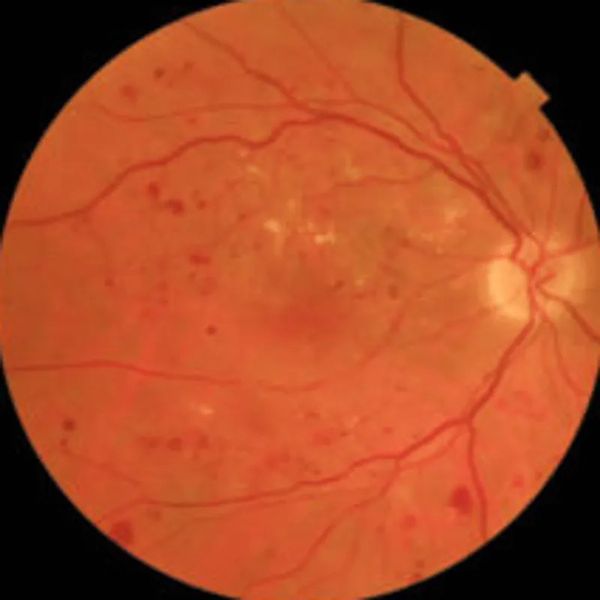
Diabetic retinopathy is a serious eye condition that affects individuals with diabetes and can lead to significant vision loss if not properly managed. It occurs when high blood sugar levels damage the blood vessels in the retina, the light-sensitive layer at the back of the eye. As these vessels weaken and leak, they can cause swelling and bleeding, leading to various stages of retinopathy. Protect your clarity of sight by booking a diagnostic consultation with our specialists to assess your current retinal health.
The Role of A1C Levels
Maintaining good control of blood sugar levels is crucial in managing diabetic retinopathy. The A1C test measures your average blood glucose levels over the past two to three months, providing a critical indicator of your long-term blood sugar control. Higher A1C levels are associated with an increased risk of developing diabetic retinopathy and can accelerate its progression. Consistently high blood sugar can lead to more severe damage to the retina and exacerbate visual problems.
Impact on Vision
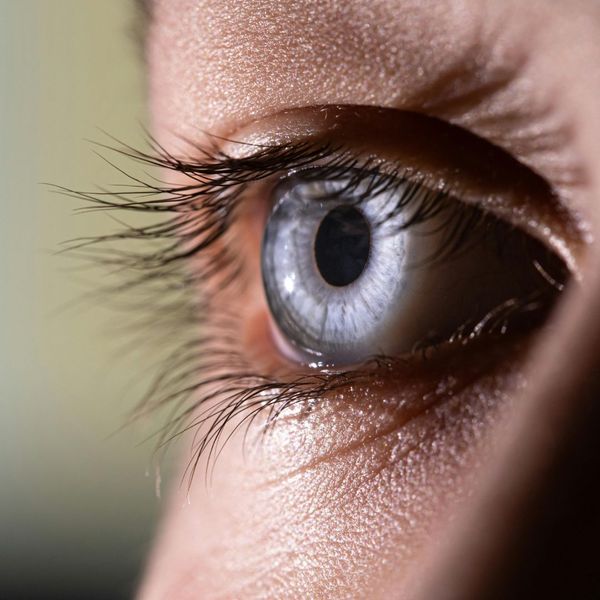
Diabetic retinopathy can have a profound impact on your vision. As the condition progresses, it can lead to fluctuations in your prescription, increased myopia (nearsightedness), and, in severe cases, even blindness. Early stages may not present noticeable symptoms, but as the disease advances, you might experience blurred vision, dark spots, or difficulty seeing at night.
Managing Diabetes, Preserving Vision
The Importance of Yearly Screening
Regular eye screenings are essential for anyone with diabetes. Yearly diabetic eye exams help detect diabetic retinopathy early, before significant damage occurs. Early detection allows for timely intervention, which can prevent or slow disease progression and protect your vision. If diabetic retinopathy is diagnosed, coordinating with your primary care physician is crucial for managing your overall health and optimizing your diabetes treatment plan.
A Vision-Threatening Condition
Diabetic retinopathy is a vision-threatening condition that requires proactive management. At Radiant Eyes, we emphasize the importance of routine diabetic eye examinations and maintaining control over your blood sugar levels. By staying vigilant and working closely with your healthcare team, you can reduce the risk of vision loss and preserve your sight.
Common Symptoms to Watch For
If you live with diabetes, please monitor your vision for these specific warning signs:
Visual Floaters
A sudden increase in dark spots or "strings" in your field of vision.
Fluctuating Clarity
Blurred vision that changes throughout the day or with sugar levels.
Night Vision Loss
Difficulty seeing in low light or noticing that colors look faded.
Identifying these symptoms early is critical. Report any disturbances to our team immediately.
Advanced Diagnostic Technologies
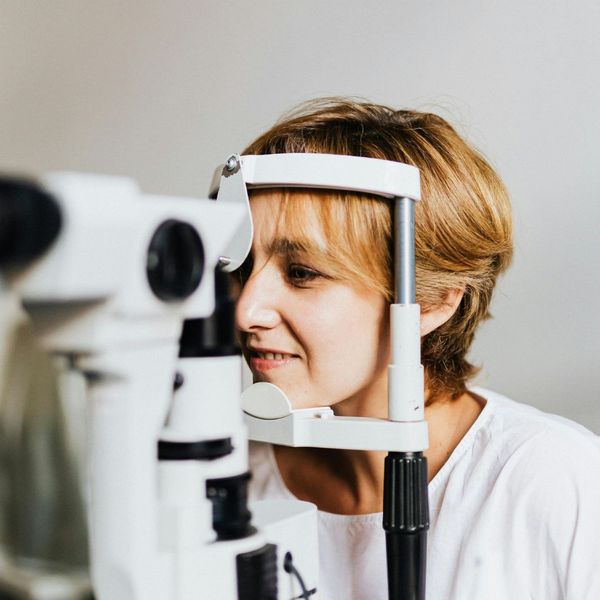
We utilize state-of-the-art Optical Coherence Tomography (OCT) to capture high-resolution cross-sections of your retina. This non-invasive imaging allows our doctors to see beneath the surface, identifying microscopic leaks or swelling that standard exams might miss. Utilizing such precision technology ensures your treatment plan is based on accurate, real-time data.

Collaborative Care and Management
Treating diabetic eye disease is a team effort between you, your optometrist, and your endocrinologist. We provide detailed reports to your medical team to ensure your systemic health and ocular treatments are perfectly aligned. Speak with our Sussex eye center doctors to learn how integrated care can effectively halt the progression of retinopathy.
Protecting Your Future Sight
Diabetic retinopathy is a vision-threatening condition, but it is manageable with proactive care and lifestyle discipline. Our Sussex eye clinic emphasizes a collaborative approach, working with your healthcare team to optimize your treatment plan. Prioritizing your eye health today ensures you maintain the visual independence and quality of life you deserve.
Ready to get started?
Schedule your appointment with us today.
Healthy Eyes Exam: Routine + OPTOS California
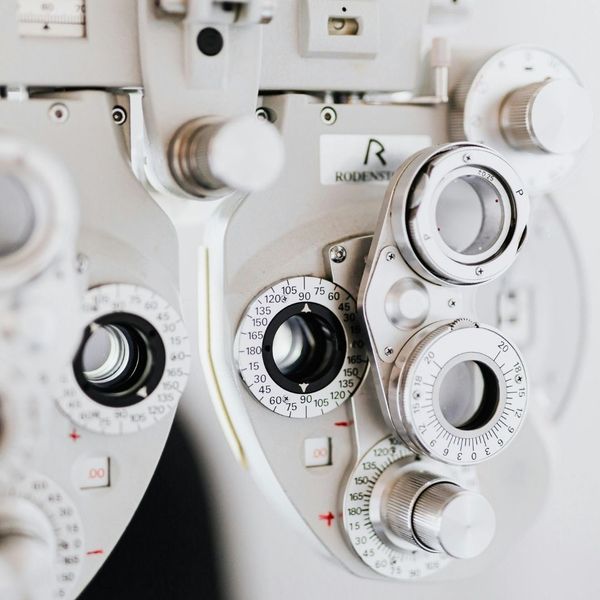
Our routine eye exams are enhanced with the OPTOS California, a state-of-the-art tool providing comprehensive ultra wide-field retinal imaging. OPTOS California is a retinal scan that can aid in the detection of retinal conditions.
Benefits:
- Most comprehensive wide-field view of health inside the eyes
- More accurate and early detection of retinal disorders
- Dilating eye drops are not required for the scan*
- Digital record used for comparison to detect changes in the future
Retinal health evaluation is an important part of your comprehensive eye exam. We recommend yearly retinal imaging for all patients.
*Dilating drops may be recommended by your doctor on a case by case basis depending on imaging results and exam findings.
Additional Eye Health Screenings
Maestro 2 OCT Wellness Screening
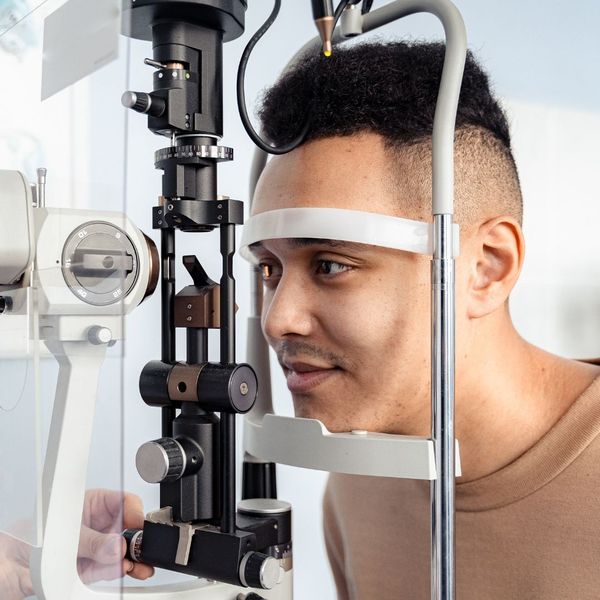
We utilize our Maestro 2 OCT for high-resolution, cross-sectional retina scans. OCT technology provides a detailed view of the retina's layers, detecting subtle issues like swelling or thinning that may be missed with standard imaging. This B-scan technology complements ultra wide-field imaging, offering a thorough analysis for early diagnosis and effective management of retinal conditions.
- Yearly Screening: For patients aged 50 and older
- Baseline Imaging: For new patients of all ages
- Family History: Individuals with a history of glaucoma or macular degeneration or other eye diseases
- Health Conditions: Patients with diabetes or high blood pressure