Dry Eye Syndrome

What is Dry Eye Syndrome?
Dry Eye Syndrome is a chronic condition that occurs when your eyes do not produce enough tears or when tears evaporate too quickly. This leads to inflammation, persistent eye irritation, a gritty sensation, and fluctuating vision.
At Radiant Eyes in Sussex, WI, we go beyond temporary eye drops. Using advanced diagnostic tools like Topcon MYAH and in-office MD Elite IPL therapy, we identify the root cause of your dry eye to deliver long-lasting relief.
What Causes Dry Eye? The Two Main Types
Understanding your dry eye cause is the first step toward effective treatment. The tear film—a complex mix of water, mucus, and oil—is vital for keeping your eyes lubricated. Dry eye typically results from a deficiency in one of these key components, leading to two primary types:

Evaporative Dry Eye
This is the most common form, often linked to Meibomian Gland Dysfunction (MGD). The meibomian glands along your eyelid margins are responsible for producing the essential oily layer of your tears (meibum). When these glands become clogged, inflamed, or underactive, they produce poor-quality oil, causing the watery layer of your tears to evaporate too rapidly.

Aqueous Deficient Dry Eye
This type is characterized by insufficient production of the watery component of tears by the lacrimal glands. Factors like aging, certain medications, environmental conditions, or underlying autoimmune diseases such as Sjögren's syndrome can be contributing causes.

Meibomian Gland Dysfunction (MGD)
MGD is the primary cause of Evaporative Dry Eye. This occurs when the tiny oil-producing glands along the eyelid margins become clogged or secrete poor-quality, cloudy meibum rather than clear oil. This oily layer is critical for maintaining tear stability. When MGD occurs, the tear film breaks down quickly, accelerating evaporation and causing chronic dry eye symptoms.
The Role of Blepharitis
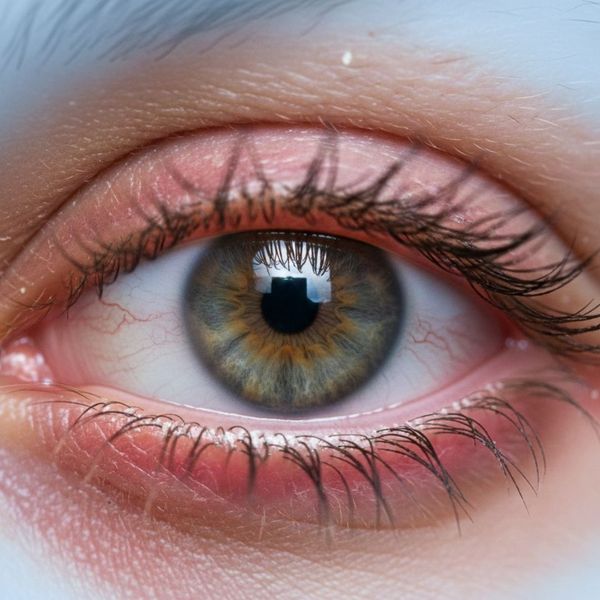
Blepharitis is a common condition involving inflammation of the eyelid margins, often caused by bacterial infection, clogged oil glands, or skin conditions. This inflammation can severely disrupt the normal function of the meibomian glands, worsening the quality of the tear film. Untreated blepharitis thus leads to increased tear evaporation and significantly exacerbates existing dry eye symptoms.

Recognizing the Symptoms of Dry Eye
Dry eye symptoms can significantly impact your daily comfort and focus. If you notice any of the following persistent issues, a professional eye evaluation is highly recommended. The severity can fluctuate, but symptoms are often chronic. Paradoxically, the eyes may sometimes produce excessive tears as a reaction to the underlying irritation and persistent dryness.
- Dryness or Gritty Sensation: A feeling like sand or grit is constantly present in your eye.
- Redness and Burning: Persistent bloodshot appearance, itching, or a stinging sensation.
- Blurred or Fluctuating Vision: Vision that is occasionally blurry, especially when blinking or focusing.
- Sensitivity to Light (Photophobia): Increased discomfort or pain experienced when exposed to bright light.
Comprehensive Diagnosis and Personalized Treatment
Diagnosing dry eye involves a comprehensive eye exam where we assess your tear film's quality and quantity, evaluate your symptoms, and examine the condition of your ocular surface. Our team then develops a customized treatment plan that moves beyond temporary fixes, addressing the root cause of your specific condition for long-term comfort and relief.
Treatment options may include:

Artificial Tears
Over-the-counter or prescription eye drops to provide lubrication.

Medications
Prescription medications to stimulate tear production or reduce inflammation.

Warm Compresses
Applying warm compresses to the eyes can help open blocked meibomian glands and improve oil flow.
Eyelid Hygiene
Regular cleaning of the eyelid margins to manage blepharitis and prevent further irritation.
Lifestyle Adjustments
Adjusting environmental factors, such as using a humidifier, and reducing exposure to irritants like smoke or wind.
The Radiant Eye Spa Difference: Advanced In-Office Solutions
When conservative care is insufficient, our Radiant Eye Spa offers cutting-edge in-office treatments to target the root causes of MGD and inflammation. We utilize advanced medical technology to provide superior, lasting relief. These specialized treatments are often necessary when blocked glands or chronic inflammation prevent natural tear stability, providing results far beyond what basic care can achieve.
Advanced in-office treatments include:
- Intense Pulsed Light (IPL): A light therapy that targets inflammation around the eyes and improves meibomian gland function.
- Radio-Frequency (RF) Technology: Gently heats and clears blocked meibomian glands, stimulating the natural flow of healthy oil (meibum).
Find Relief & Clarity
Don’t let dry eye symptoms dictate your comfort or quality of life. If you are ready to find lasting relief and visual clarity, it’s time to seek specialized care. At Radiant Eyes, we are committed to providing you with an individualized evaluation and the most advanced solutions available for chronic dry eye. Schedule your evaluation today and experience the difference specialized care can make.
Ready to get started?
Schedule your appointment with us today.