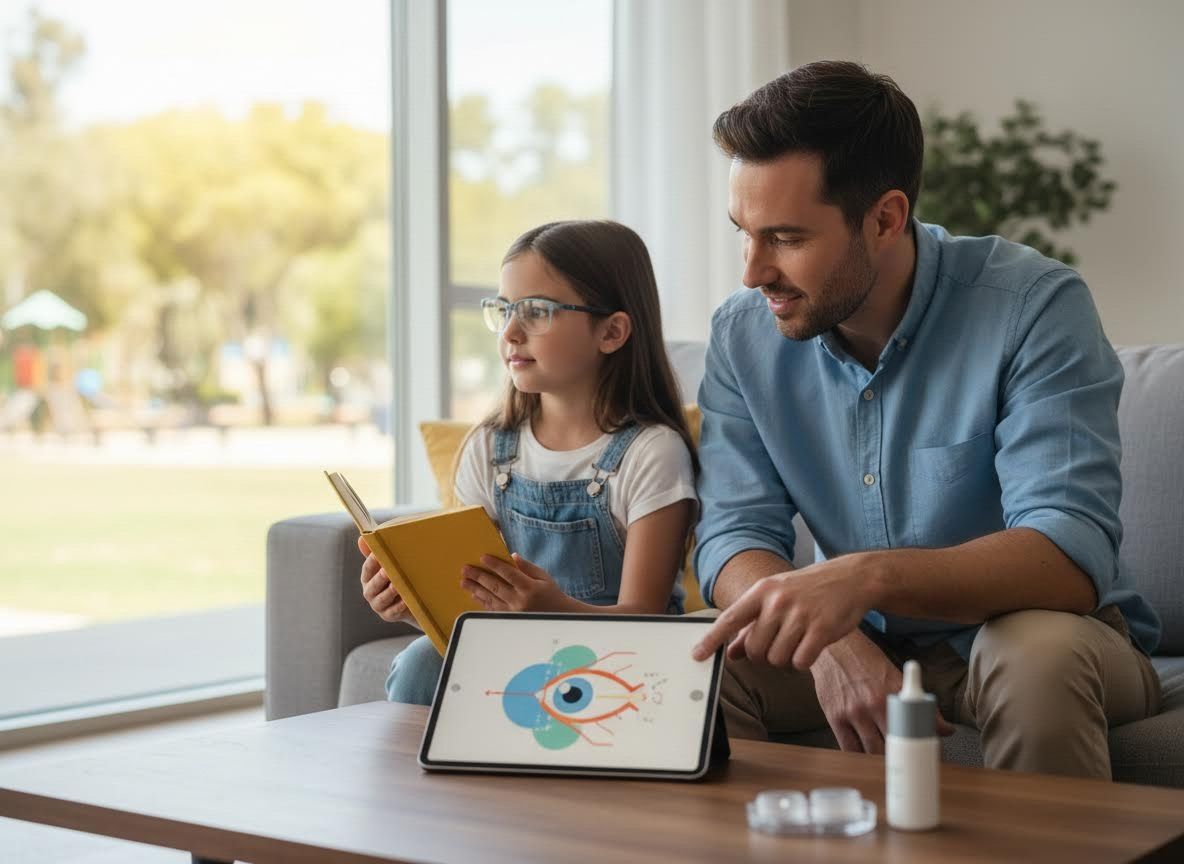
The eyesight of our children is a precious gift, and ensuring its health and clarity is a top priority for every parent. In today's world, a growing number of children are developing myopia, or nearsightedness, which can progress rapidly and lead to more serious eye health issues later in life. At Radiant Eyes: Total Eye Care, we understand these concerns and are dedicated to offering advanced solutions to safeguard your child's vision. This blog post will explore effective strategies to manage and slow the progression of myopia, providing clarity for a brighter future.
Understanding Childhood Myopia
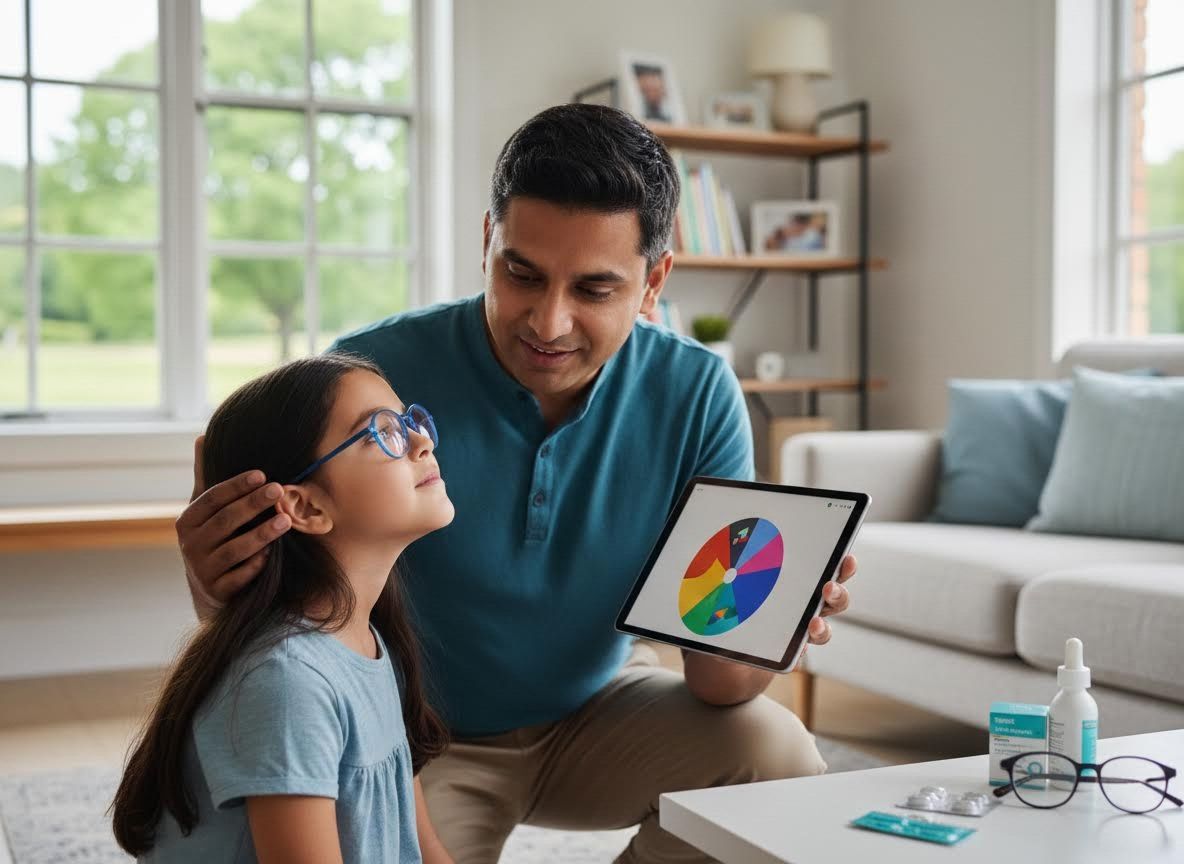
Myopia, commonly known as nearsightedness, is a refractive error where distant objects appear blurry. While often easily corrected with glasses or contact lenses, its progression in children is a significant concern. High levels of myopia can increase the risk of serious eye conditions in adulthood, such as glaucoma, cataracts, and retinal detachment. The rise in digital screen time and less outdoor play are thought to contribute to this growing trend, making early detection and proactive myopia control more critical than ever.
Modern Approaches to Myopia Control
Fortunately, modern optometry offers several highly effective Myopia Control methods designed to slow or even halt the progression of nearsightedness in children. These treatments go beyond simply correcting vision with standard eyeglasses. Options include specialized multifocal contact lenses, which alter how light focuses on the retina to signal the eye to slow growth, and orthokeratology (Ortho-K), which involves wearing custom-designed rigid contact lenses overnight to temporarily reshape the cornea.
The Importance of Pediatric Vision Exams
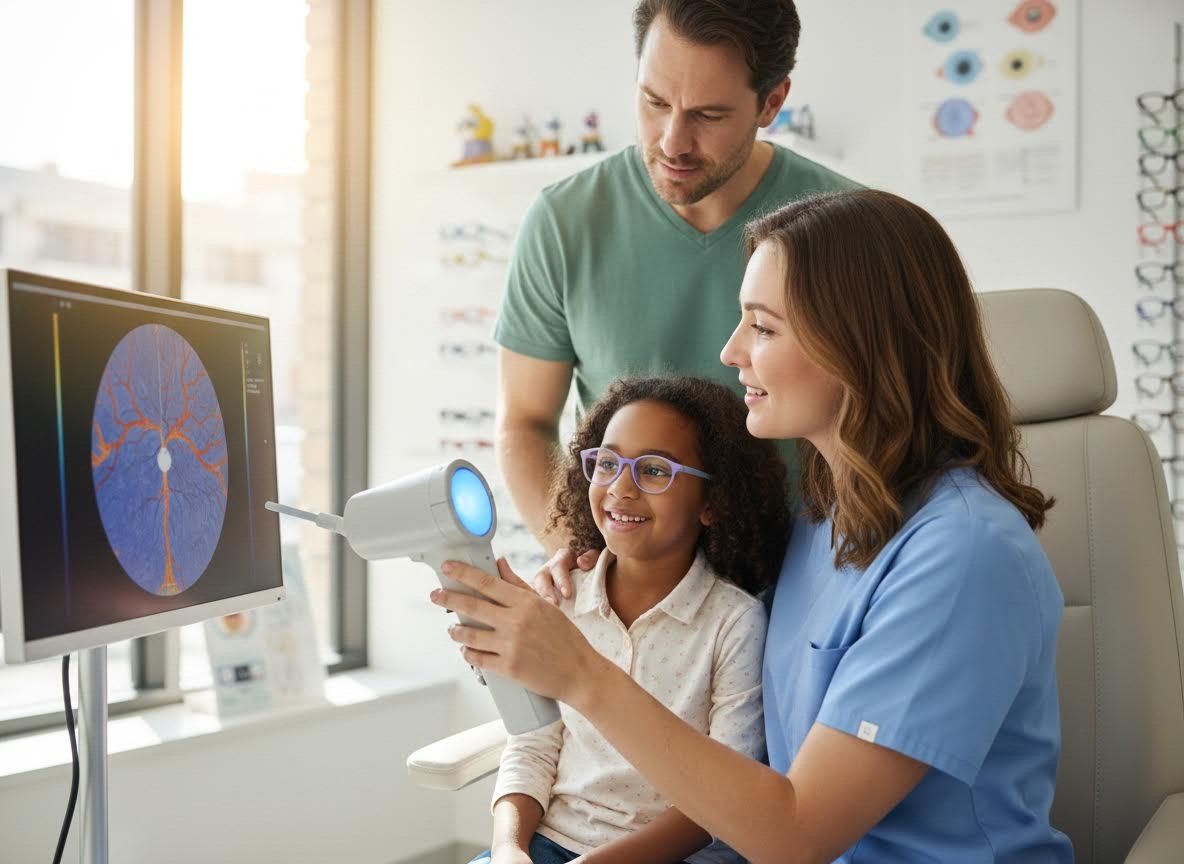
Regular and comprehensive eye examinations are fundamental for protecting your child's vision. These exams allow optometrists to not only detect myopia early but also to monitor its progression and overall eye health. Advanced diagnostic tools, such as optical coherence tomography, play a crucial role in providing detailed images of the retina and optic nerve, allowing for precise tracking of changes over time. A thorough pediatric vision assessment also considers other aspects of eye health, such as binocular vision and potential needs like dry eye treatment, ensuring a holistic approach to your child's visual well-being.
Protecting your child's eyesight through effective Myopia Control is an investment in their future health and quality of life. By understanding the risks of myopia and exploring the advanced treatment options available, parents can take proactive steps to manage this condition. Reach out to us to schedule your appointment.